National Absinthe Day
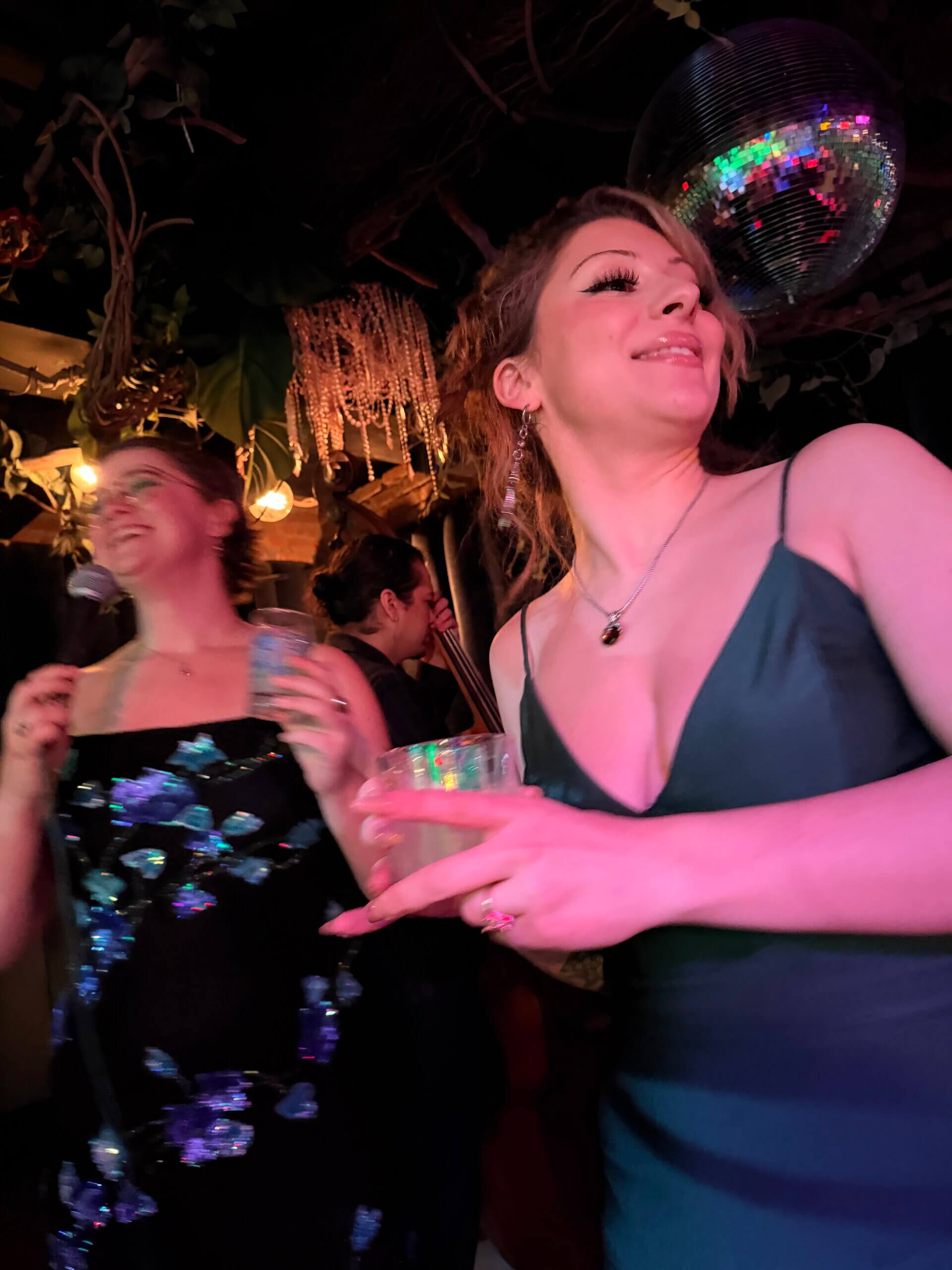
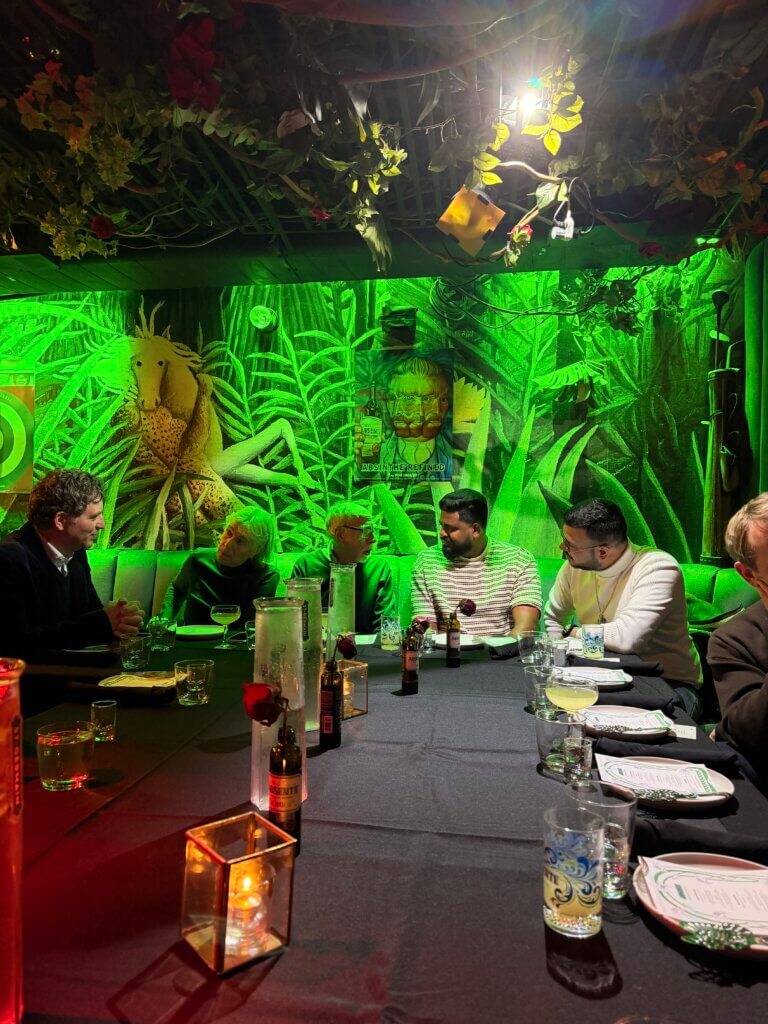
On March 5, I attended a lively celebration of National Absinthe Day at LOULOU Speakeasy, a hidden party space tucked beneath the restaurant in New York.
The subterranean room felt perfectly suited to the spirit of the evening. I even heard rumors that during the pandemic, this same room functioned as a genuine speakeasy — an amusing echo of the drink’s own rebellious history.
Te event brought together a crowd that felt uniquely New York: bartenders from across the city, wine and spirits retailers, journalists, and cocktail enthusiasts. Many guests leaned fully into the theme, arriving dressed in 1920s attire.
Women wore flapper dresses and feathered headpieces, while men appeared in tuxedos and vintage-inspired suits. The atmosphere was festive but also curious — everyone seemed eager to learn more about a spirit that has spent centuries surrounded by myth.
Absinthe, often called “la fée verte,” or the Green Fairy, is an anise-flavored spirit traditionally made from botanicals including wormwood, green anise, and fennel. It originated in Switzerland in the late 18th century and quickly became famous in France during the 19th century. At its peak, cafés across Paris observed l’heure verte, the “green hour,” when absinthe drinkers gathered for the ritual of slowly diluting the powerful spirit with water.
Historically, absinthe developed a reputation as both glamorous and controversial. It was favored by writers and artists such as Ernest Hemingway, Oscar Wilde, and Charles Baudelaire, who embraced its association with bohemian culture. At the same time, the drink became the subject of moral panic and was banned in many countries in the early 20th century. Modern research has since shown that many of the myths surrounding absinthe’s supposed hallucinogenic effects were exaggerated. Today, the spirit has enjoyed a worldwide revival and is once again appreciated for its complex herbal character.
For many guests at the LOULOU event — myself included — the evening offered an opportunity to experience absinthe in a modern cocktail context rather than through the traditional preparation ritual.
The organizers presented four cocktails, each paired with dishes from a three-course dinner. The drinks were visually striking, their pale green hues and aromatic botanicals immediately recognizable. Absinthe is famously high in alcohol — typically between 45 and 74 percent ABV — and the flavor is bold, dominated by anise and herbal notes. For a first-time drinker, it can be an acquired taste.
In cocktail form, however, the spirit revealed a different personality. The bartenders balanced its intensity with citrus, sweetness, and other ingredients, creating drinks that were both elegant and approachable.
What impressed me most was how well the cocktails worked with the food. One pairing in particular stood out: grilled artichoke, whose earthy character complemented the herbal notes of the absinthe beautifully. It was a reminder that spirits — like wine — can interact with food in surprising ways when thoughtfully matched.
Beyond the cocktails and cuisine, the evening was really about the people. Events like this draw together a cross-section of New York’s hospitality world. Conversations flowed easily between bartenders, writers, and shop owners, all sharing stories about cocktails, spirits, and the city itself.
Absinthe has always carried a sense of mystique. In the 19th century it was a symbol of artistic rebellion. In the early 20th century it was vilified and banned. Today it occupies a more balanced place — a historic spirit rediscovered by modern bartenders and drinkers.
For me, the evening at LOULOU was simply a memorable introduction to absinthe — a drink with a colorful past and a surprisingly vibrant present.
And judging by the enthusiasm in that crowded speakeasy room beneath the restaurant, the Green Fairy still knows how to draw a crowd.