Capezzana Wine Dinner
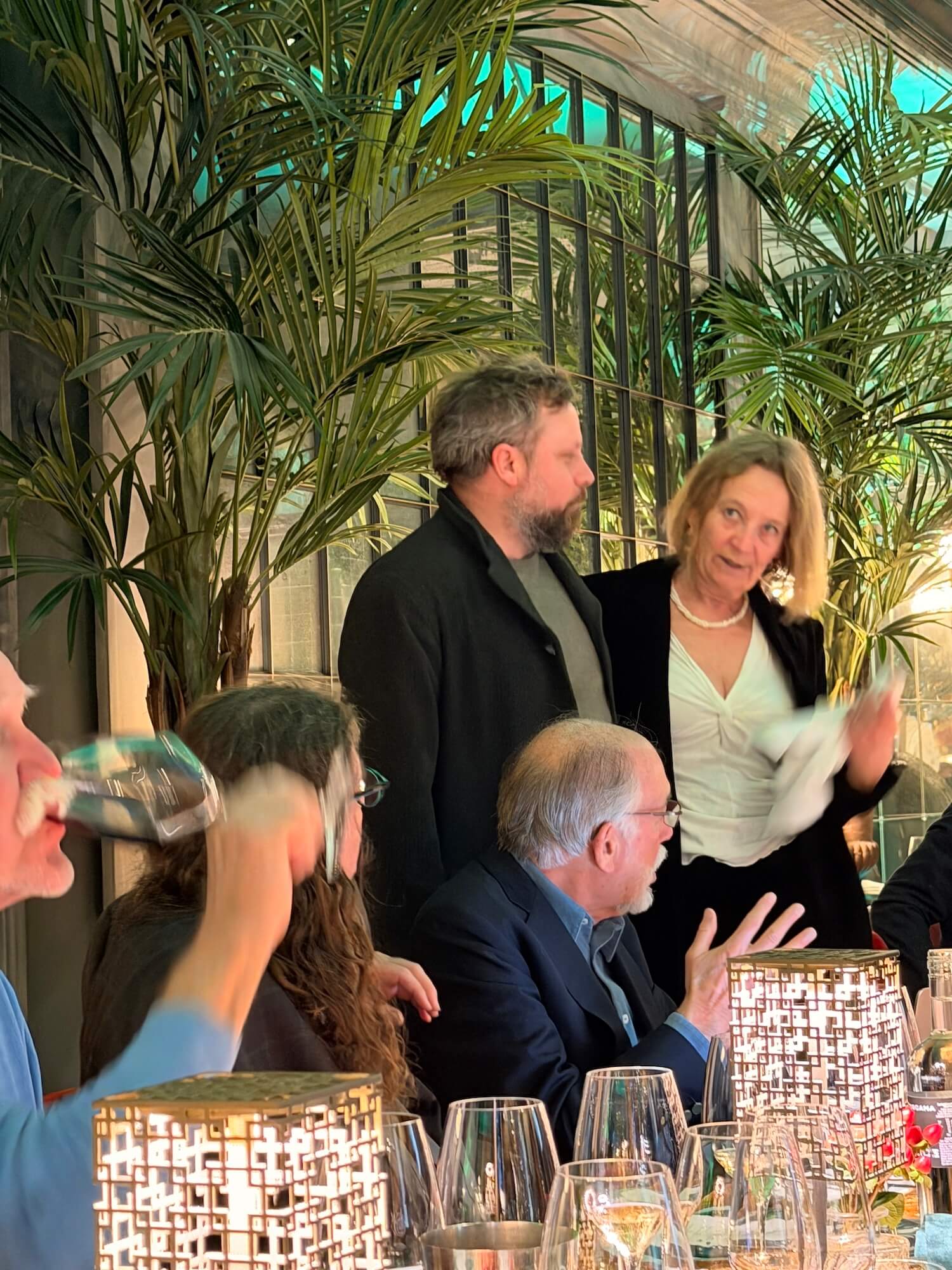
Last night I had the enviable pleasure of sitting across the table from Filippo Contini Bonacossi, son of founder Count Ugo Contini Bonacossi. You can imagine what a pleasure it has been to ask him questions about the wines as they were introduced and the intricate family history.
First, the family winery, Tenuta di Capezzana is not simply an estate in Carmignano. It is a five-generation responsibility.
The family has guided Tenuta di Capezzana since the early 1920s, building on land where vines and olive trees are documented as far back as 804.
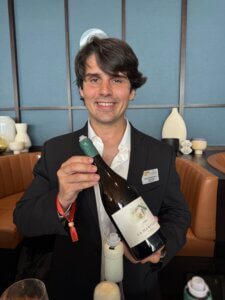
After Filippo Contini Bonacossi speaks about the region and the wines, his nephew Ettore continues on with quiet confidence. It’s easy to see how Carmignano’s identity is carried forward by people who have spent decades protecting and defending it.
Carmignano sits just west of Florence, a small DOCG in an area dominated by Chianti Classico and Montalcino. Long before the term “Super Tuscan” was coined, Carmignano officially included Cabernet Sauvignon in its blends.
Under Ugo Contini Bonacossi’s leadership, the denomination separated itself from Chianti Montalbano in 1975, becoming one of the first Tuscan DOCs to formally recognize Cabernet in the blend. Full DOCG status followed later, cementing Carmignano as its own appellation rather than a footnote to another.
In his lifetime Ugo worked tirelessly, navigating paperwork, bureaucracy, and resistance to ensure Carmignano earns independent recognition. Each year in combination with Anteprime Toscana, the Bonacossi family hosts a dinner to showcase a vintage or a new aspect of the winery.
Tonight’s dinner at the elegant Caffè Cibrèo in the five star Helvetia & Bristol hotel in Firenze unfolds in courses, each paired with a different expression of the estate.
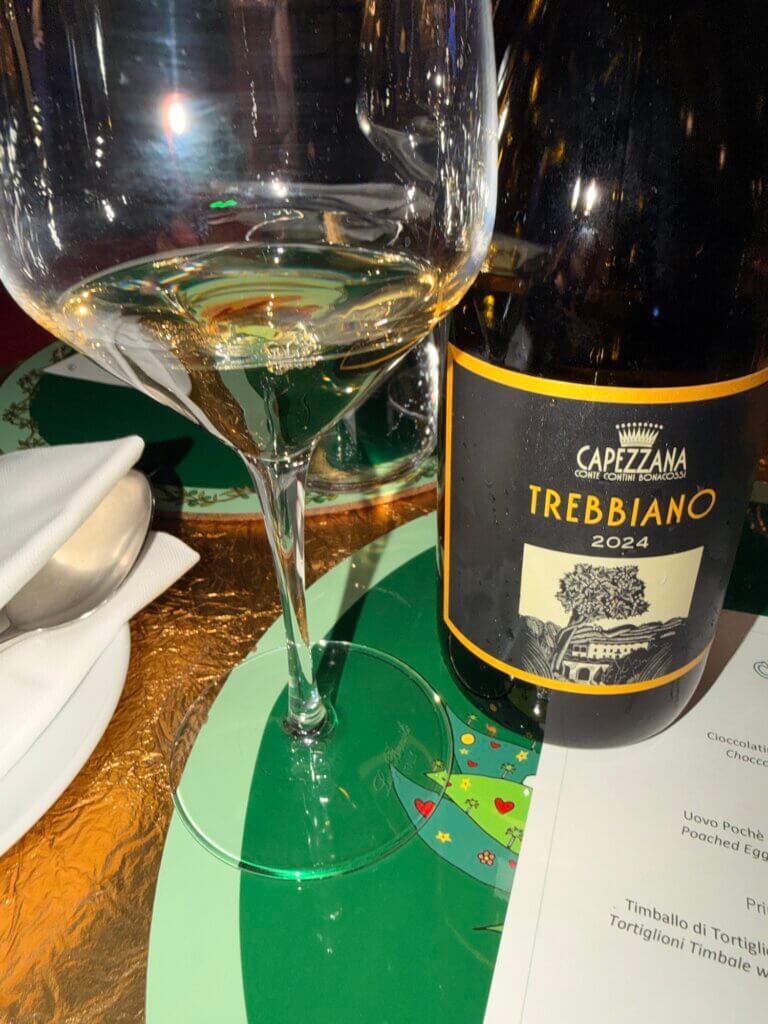
Two recent vintages of white wines begin the evening: Trebbiano and Chardonnay. The Trebbiano is bright and clean, showing how a traditional Tuscan grape can feel modern when handled carefully. The Chardonnay, first planted at the estate in the 1980s, reflects Capezzana’s willingness to experiment without abandoning identity.
These are not wines chasing trends. They are wines meant to accompany food and conversation exactly as they do tonight.
Barco Reale di Carmignano 2023 follows. This wine represents accessibility within the portfolio. It carries the Carmignano character, Sangiovese supported by Cabernet Sauvignon, but in a fresher, earlier-drinking style. You taste red fruit, structure, and balance without heaviness. It is the kind of bottle that introduces someone to the region.
Then comes the flagship: Villa di Capezzana Carmignano DOCG. Typically composed of around 80 percent Sangiovese and 20 percent Cabernet Sauvignon, it spends time in French tonneaux before further aging in bottle. Here, the Cabernet does not dominate; it frames the Sangiovese, adding structure and longevity. This is the estate’s historical voice, the wine that carries Carmignano’s signature blend.
Another highlight of the evening is the 100 percent Sangiovese cuvée dedicated to Ugo Contini Bonacossi.
This wine comes from a specific vineyard that once grew black olives. As a boy, Filippo said he loved those olive trees. He remembers feeling disappointed when they were removed to plant vines.
The vineyard produces a powerful, focused Sangiovese that speaks clearly of its site. It is farmed organically, like the rest of the estate, reflecting the family’s commitment to sustainability long before it becomes fashionable.
Organic viticulture is how the family chooses to farm, not a marketing gimmick. Alongside wine, the estate produces organic olive oil and even offers an olive oil tasting experience at the estate.
Across the table, Ettore introduces several wines during the evening with enthusiasm. Listening to him, I imagined how proud Count Ugo would be at this moment.
Beatrice Contini Bonacossi, Filippo’s sister, adds context to the evening, sharing insights about specific vintages and reminding guests that the estate extends beyond wine.
Last year she told me about the cooking school the family establishes at Capezzana. The idea is simple: if you visit, you should experience the estate through food as well as wine. Many of the classes draw from family recipes.
Guests can stay at the elegant looking bed and breakfast on the property, walk among the vineyards, and see firsthand how olive oil and wine are produced side by side.
As the dinner concludes, I’m so grateful for the opportunity talk with this family as well as taste their wines. It is such a fantasy of wine lovers to imagine dedicating one’s life to wine making and maintaining a gorgeous estate, and here is the Bonacossi family living out that dream.