

Tasting Wines of Abruzzo
Is Abruzzo Italy’s Hidden Gem of Refreshing Wines?
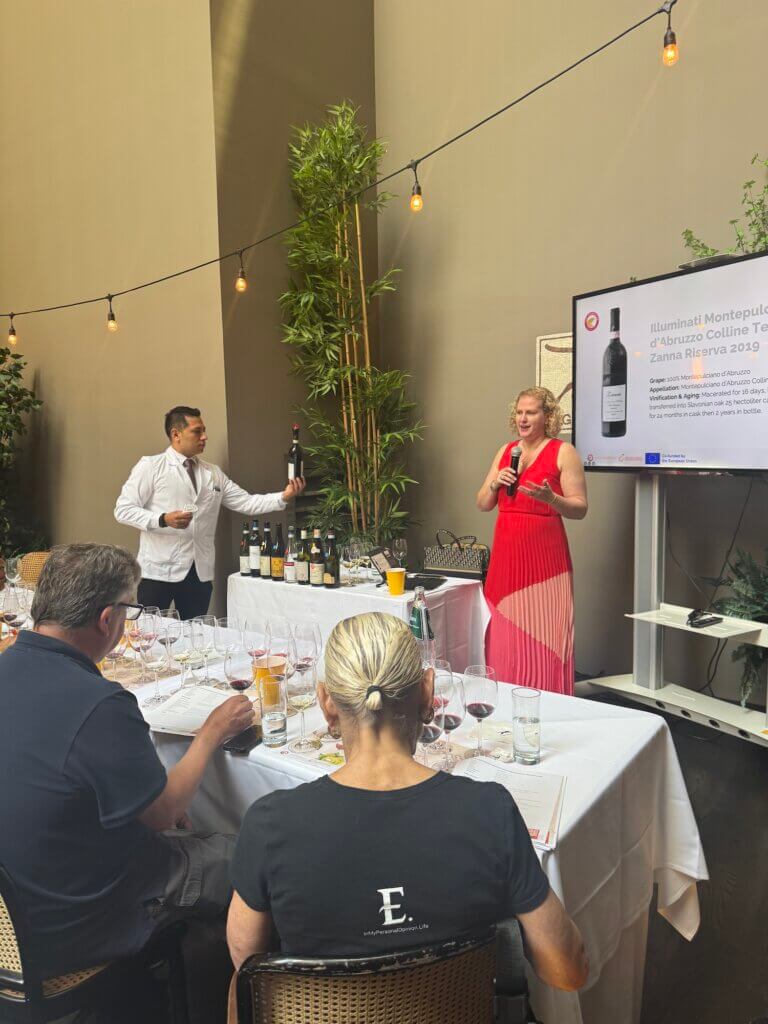
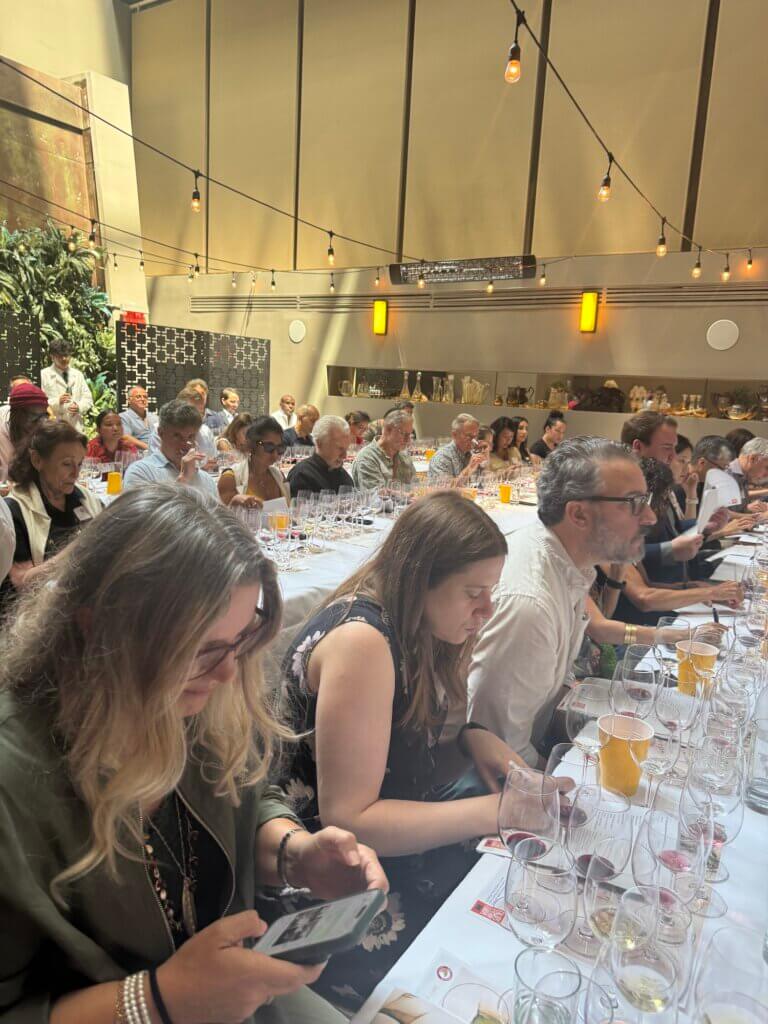
Today Abruzzo came to Manhattan in the form of a tutored tasting of its signature wine styes. The event was held at the sophisticated, “very Italian” Il Gattopardo restaurant, so there was food to match the wines after the event.
Abruzzo: Where is it?
Wedged between the towering Apennine Mountains and the sparkling Adriatic Sea lies Abruzzo, one of Italy’s most geographically dramatic and viticulturally underrated regions.
Often overshadowed by its more famous neighbors—Tuscany to the west and Marche to the north—Abruzzo is quietly creating a renaissance in Italian winemaking, captivating international palates with wines that are fresh, expressive, and remarkably food-friendly. Whether red, white, or rosé, wines from Abruzzo possess an unmistakable vitality rooted in the region’s distinctive geography and age-old traditions.
Today, Abruzzo’s new generation of winemakers is crafting wines that offer a perfect marriage of place and precision. Even in the face of warm Mediterranean summers, the wines remain lively and refreshing thanks to the region’s mountainous terroir and well-drained soils.
Among these producers, notable houses like Cantina Tollo, Valle Reale, and Tenuta i Fauri are setting a high bar—but a standout worth noting is Russo, whose wines exemplify the region’s energetic finesse.
Geography That Inspires Balance
What makes Abruzzo so special? Start with the setting. Over two-thirds of the region is composed of mountains and hills, with vineyards planted at elevations reaching upwards of 3,000 feet.
These high altitudes are more than scenic—they’re essential to quality. The dramatic diurnal shifts between hot days and cool nights help preserve acidity in the grapes, resulting in wines with crisp brightness, even under the intense summer sun.
Further contributing to this balance is the moderating influence of the Adriatic Sea. Vineyards closer to the coast benefit from cooling sea breezes that reduce disease pressure and help maintain vibrant aromatics in white and rosé wines.
Inland, the Apennines shelter the vines from excessive rainfall and provide a diversity of soils, ranging from clay and limestone to volcanic sand, which endows the wines with texture and minerality.
This interplay of mountain and sea influences an array of microclimates, allowing Abruzzo to produce a broad palette of wine styles.
Diversity in the Glass: Red, White, and Rosé
Abruzzo’s most emblematic red grape is Montepulciano d’Abruzzo, a variety sometimes confused with Vino Nobile di Montepulciano (from Tuscany), yet entirely its own entity. Richly colored with velvety tannins and dark berry fruit, Montepulciano from Abruzzo can be rustic or refined, bold or balanced—often at an incredible value. It’s a wine that pairs as easily with spaghetti all’amatriciana as with grilled lamb skewers, known locally as arrosticini.
Yet for all its red wine prowess, Abruzzo truly surprises with its whites and rosés. Trebbiano d’Abruzzo, once overlooked as merely neutral, has seen a resurgence in quality-focused hands.
Today’s versions can be remarkably zesty, with notes of lemon blossom, almond, and sea salt. And then there’s Pecorino, a white varietal now riding a wave of popularity for its layered aromatics and saline structure. It’s named not for the cheese, but perhaps for the sheep (pecora) that once grazed amid the vines.
Rosé fans should not overlook Cerasuolo d’Abruzzo, a deeply hued rosé made from Montepulciano grapes. Unlike the pale pink Provençal style, Cerasuolo is robust and flavorful, marrying cherry-berry brightness with earthy undertones. Thanks to its fuller texture and food-pairing versatility, it’s become a favorite among sommeliers seeking a standout pink wine with real presence.
Russo: A Refreshing Standout
Among the producers helping to redefine the image of Abruzzo wine is Russo, whose range of wines—spanning red, white, and rosé—showcases a crisp, invigorating style that speaks directly to the terroir.
Their whites are brisk and mineral, with a brightness that practically leaps from the glass, whether from Trebbiano or Pecorino. The rosés possess a refreshing lift and summer-perfect fruit, while the reds are vibrant without being heavy, offering structure without sacrificing drinkability.
What makes Russo’s approach special is their attention to detail from vineyard to bottle. Working with hillside vineyards composed of well-drained, rocky soils, they limit yields and carefully time harvests to retain acidity.
Their cellar practices are equally restrained, favoring temperature-controlled fermentations and minimal oak usage to let fruit flavors and freshness shine.
Final Thoughts
Supermarket shelves and fine wine shops are loaded with different lines and sometimes choosing among them is a challenge, When you see Abruzzo on a bottle, you know it’s a great choice.