Wiine Tarot at Morgan Museum
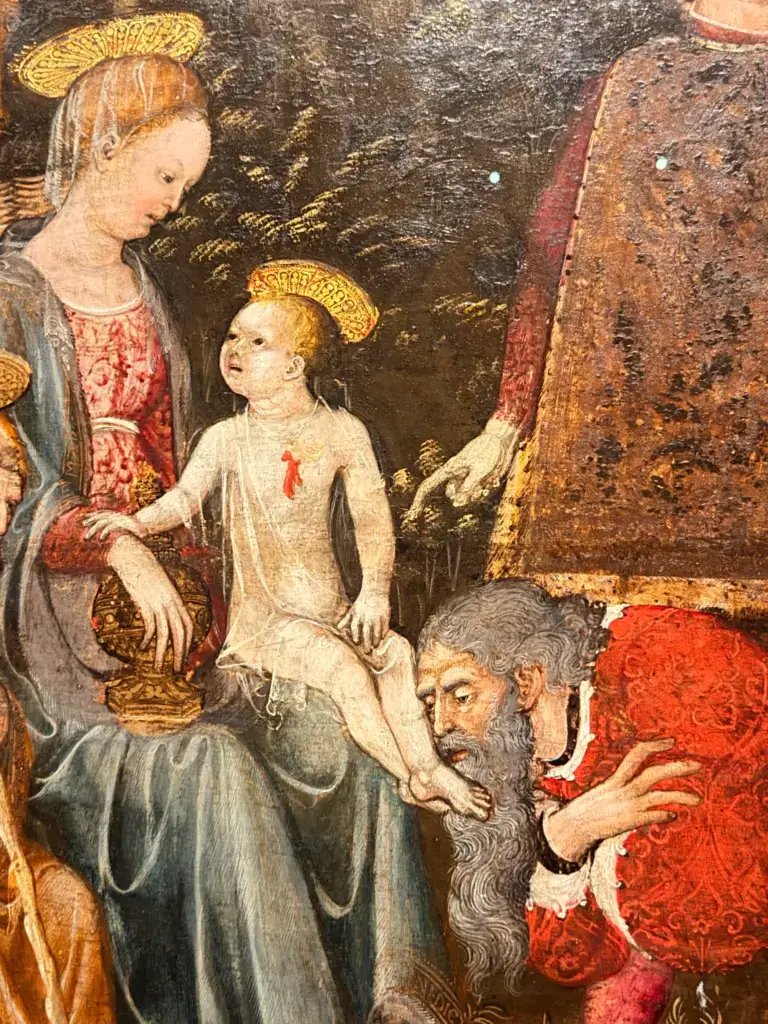
Living in Manhattan, I’m constantly reminded that some of New York’s greatest experiences are hiding in plain sight. The Morgan Library & Museum is one of those places I find myself returning to every so often. Originally the private library of financier J. P. Morgan, it never fails to surprise me.
This summer’s exhibition, Tarot! Renaissance Symbols, Modern Visions, surprised me more than any I can remember.
Like many people, I walked in assuming tarot had always been connected to fortune tellers, crystal balls and attempts to glimpse the future. Within minutes, that assumption completely unraveled.
The exhibition begins not with mysticism but with Renaissance Italy, where tarot originated in the fifteenth century as an elaborate card game played by members of the aristocracy. These weren’t mysterious objects hidden away in dark rooms. They were luxurious works of art commissioned by powerful families and enjoyed as sophisticated entertainment at court. Only centuries later did tarot become associated with divination.
That revelation alone made the visit worthwhile.
As someone who loves Italy and has spent years writing about its culture, wine and history, I had never connected tarot with the elegant courts of Milan. Somehow, I’d always imagined it belonged to a much later world of psychics and occult traditions. Discovering that these beautifully painted cards began life in the drawing rooms of Renaissance nobility completely changed the way I viewed them.
The history was fascinating, but the craftsmanship stopped me in my tracks.
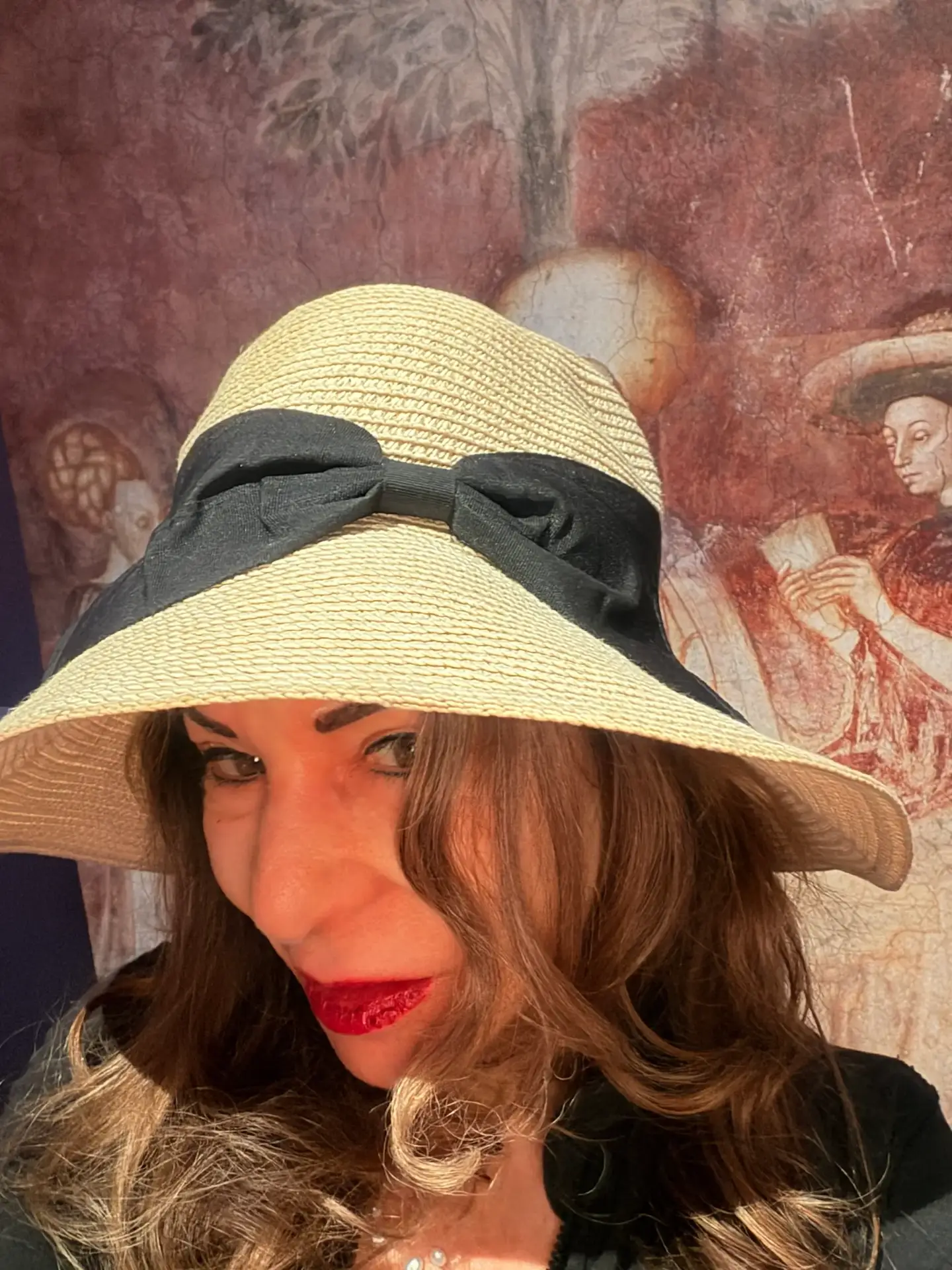
Standing just inches away from cards painted nearly six centuries ago, I couldn’t believe how vibrant they still looked. Brilliant reds, luminous blues and shimmering gold leaf seemed almost untouched by time. Many of the backgrounds glowed like tiny mosaics, while the richly detailed figures reminded me of the illuminated manuscripts and religious paintings found throughout Italy’s churches and museums.
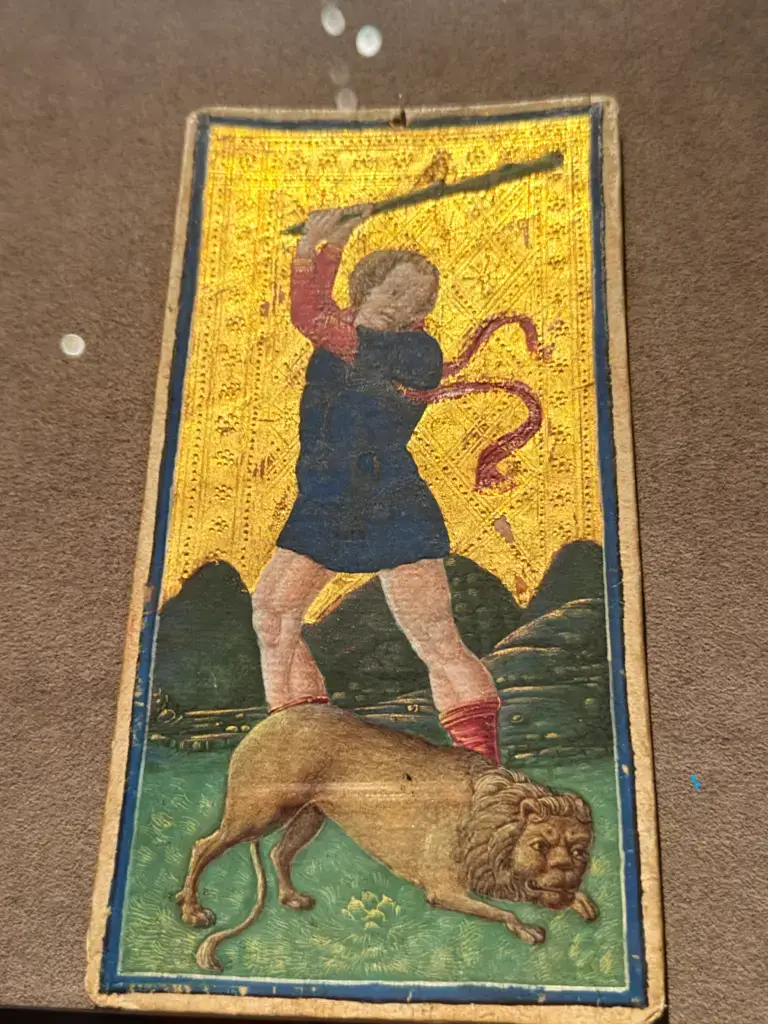
Even more remarkable were the manuscripts displayed alongside the cards. Their colors remain astonishingly fresh after hundreds of years, a testament both to the skill of Renaissance artists and to the extraordinary care with which these treasures have been preserved.
One of the exhibition’s strengths is placing tarot within the broader artistic world that produced it. Rather than treating the cards as isolated curiosities, the Morgan surrounds them with paintings, manuscripts and decorative objects that reveal the visual language of Renaissance Italy. Suddenly, familiar tarot figures such as Justice, Fortune and Love no longer seem mysterious. They emerge as part of a larger artistic tradition that would have been immediately recognizable to educated Italians of the period.
The exhibition eventually moves into the twentieth and twenty-first centuries, exploring tarot’s influence on modern artists and popular culture. While many visitors may find those sections especially engaging, I found myself continually drawn back to the earliest galleries. For me, the real stars were the original Renaissance cards and the remarkable craftsmanship behind them.
The atmosphere on the Friday I visited reflected the exhibition’s broad appeal. The galleries were lively, filled with New Yorkers chatting over drinks before wandering through the displays. It felt less like entering a mystical world than spending an enjoyable evening surrounded by extraordinary works of art.
Perhaps that’s what I appreciated most.
Instead of reinforcing popular myths about tarot, the Morgan tells a richer, more nuanced story. It reminds us that objects often outgrow the purposes for which they were created. What began as an elegant pastime for Renaissance Italy’s elite gradually evolved into one of the world’s most recognizable systems of symbolism, inspiring artists, writers and spiritual seekers for centuries.
I walked in expecting an exhibition about fortune telling.
I walked out with a deeper appreciation for Renaissance art—and a newfound respect for a deck of cards whose story turned out to be far more fascinating than I ever imagined.