Sangiovese from Tuscany: New Look
Tuscany offers many famous wine regions, yet Maremma offers a different side of the story. A recent wine event in Manhattan, three appellations, Maremma Toscana, Morellino di Scansano and Montecucco, came together for a master class and walk-around tasting with 40 producers.
This event offered a look at wines shaped by Mediterranean influences, from increasingly popular white Vermentino to distinctive expressions of red Sangiovese.
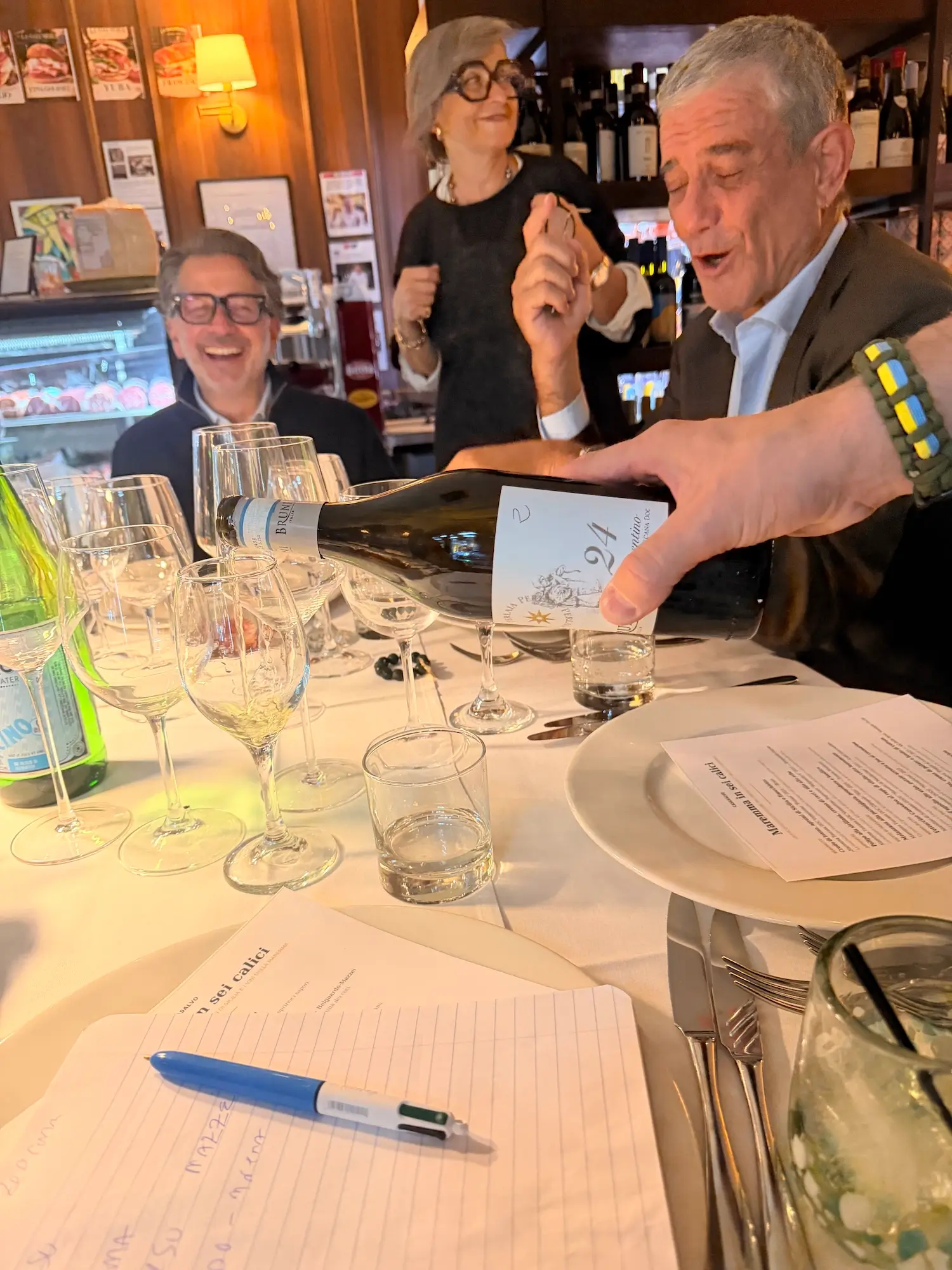
The full story began the night before, over dinner at Casasalvo in SoHo.
There I met Francesco Mazzei, president of the Consorzio della Maremma Toscana, Bernardo Guicciardini Calamai, president of the Consorzio Morellino di Scansano, and communications organizer Cecilia Zanasi.
Six courses and six wines later, what had started as a formal wine dinner had become something much more interesting.
It turned into a conversation about the wines, the region and why Maremma deserves the attention usually given to its more famous neighbors.
The Conversation Started With Vermentino
As so many wine conversations do these days, ours started with Vermentino.
Why has it become so popular?
My first answer was not particularly scholarly. It has an easy-to-pronounce, easy-to-remember name.
But joking aside, the appeal becomes fairly obvious once the wine is in the glass.
The Vermentino we tasted was fragrant with soft white peach and apricot, balanced by soaring acidity. It was the kind of wine that immediately suggested possibilities beyond the usual seafood pairing. It had enough freshness to start a meal, but enough character to keep going when the food became more complicated.
That versatility became one of the themes of the evening.
As the courses progressed, the conversation loosened up too. Bernardo, who has a wonderfully dry sense of humor, supplied a steady stream of comments.
When someone asked how he planned to spend his remaining two days in New York, he suggested that perhaps he would fall in love. After all, he still had two days.
By then it no longer felt like a formal promotional dinner.
It felt like people talking about wine over dinner, which is probably where wine makes the most sense anyway.
The Masterclass
Wine Spectator senior editor Bruce Sanderson moderated the master class for the three regions. Interestingly, the presentation name was MareMMMa.
The name mareMMMa plays with mare, the Italian word for sea, and the three M appellations represented at the event: Maremma Toscana, Morellino di Scansano and Montecucco.
They are not identical regions, nor are they all sitting directly beside the water.
But they are part of the greater Maremma territory, stretching from the coast toward the hills and mountains. Maritime influence playing an important role in the climate.
That diversity is part of the point.
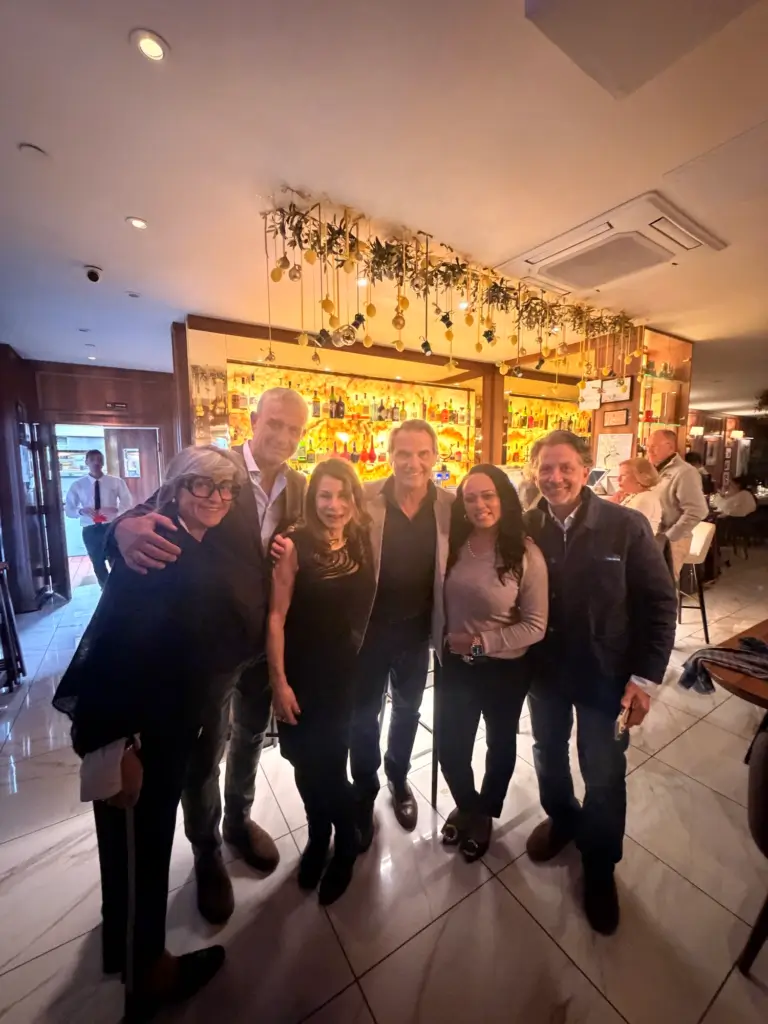
On the panel, moderator Bruce Sanderson was joined by Mazzei, Guicciardini Calamai and Giovan Battista Basile, president of the Consorzio Tutela Vini Montecucco. It was refreshing to see a sommelier on the panel. This was Josh Nadel, sommelier and Beverage Director for the NoHo Hospitality Group.
Georgraphy
Maremma Toscana alone covers a broad range of soils, elevations and grape varieties. Morellino di Scansano gives Sangiovese a particularly coastal expression. Montecucco sits farther inland, including vineyards on the slopes of Monte Amiata.
Together, they present a side of Tuscany that can look quite different from the Tuscany many American wine drinkers know best.
Why Vermentino Matters
One of the clearest stories to emerge from the master class was the rise of Vermentino.
Sanderson described it as an increasingly important driver for Maremma Toscana and potentially one of the grapes that can communicate the identity of the region most clearly. Plantings have expanded dramatically over the past two decades.
The tasting showed why.
Two Vermentinos opened the master class: the Rocca delle Macìe Vigna L’Aja Bruciata Maremma Toscana DOC Vermentino 2024 and Belguardo V Maremma Toscana DOC Vermentino Superiore 2023.
They also demonstrated that Vermentino does not have to mean one style.
The grape can give the crisp, salty, mineral character many drinkers expect, but it can also move toward a richer and more textured expression.
From a restaurant perspective, that range is particularly useful.
Nadel spoke about the demand he sees for fresh, Mediterranean-style wines and the ability of Vermentino to work in different roles throughout a meal. The wine can accompany seafood and salads, but richer versions can move easily into more substantial dishes as well.
That sounded very familiar after the previous evening’s dinner.
Sangiovese by the Sea
If Vermentino provides an easy entry into Maremma’s whites, Morellino di Scansano offers another way of looking at Tuscany’s most famous red grape.
The simplest description to emerge during the master class was also one of the best:
Sangiovese by the sea.
That does not mean that every vineyard is planted on the beach. It means looking at Sangiovese through the climate of this part of southern Tuscany, where sea breezes and Mediterranean conditions can help retain freshness even in a warm region.
Guicciardini Calamai made an important distinction. The goal is not to argue that Morellino is better than Sangiovese from Chianti Classico, Montalcino or elsewhere in Tuscany.
It is different.
And that is a much more interesting argument.
The four Morellino di Scansano wines in the master class demonstrated several expressions of the appellation, from bright, accessible younger wines to more structured Riservas.
Again, the common thread was not sheer power.
It was freshness.
Montecucco Moves Up the Mountain
Montecucco added another dimension.
Located in northern Maremma near Monte Amiata, the appellation is smaller and less familiar to many American drinkers.
Altitude is increasingly part of its story.
During the discussion, Basile talked about vineyards moving higher on the slopes of Monte Amiata as growers adapt to warmer conditions. What once might have seemed unusually high for viticulture is becoming increasingly attractive.
The two Montecucco wines tasted at the master class were Colle Massari Montecucco Rosso DOC Riserva 2021 and Basile Ad Agio Montecucco Sangiovese DOCG Riserva 2020.
Both showed another face of Sangiovese, somewhat more structured than the Morellino wines tasted immediately before them, while retaining the freshness that kept coming up throughout the seminar.
What Wine Drinkers Want Now
Perhaps the most interesting part of the master class came when the discussion moved away from individual appellations and toward what people are actually drinking.
Sanderson spoke about growing interest in lower-alcohol wines and increasing attention to whites.
Nadel put it another way.
What he is seeing is a desire for freshness and brightness.
He also talked about people drinking with more intention and responding to wines that offer authenticity, a sense of place and a story behind them. v
That matters because restaurant guests are not necessarily looking for a geography lesson when they order dinner.
One of Nadel’s comments made the point particularly well. Diners came to the restaurant to spend time with their friends, not to spend the evening talking to the sommelier.
His job is to give them enough useful information to make a choice they will enjoy.
That may be one of the opportunities for these wines.
“Vermentino” is easy.
“Sangiovese by the sea” is easy.
Fresh, food-friendly wines at approachable prices are easy to understand too.
The complicated part can come later.
The Other Side of Tuscany
By the time the 40-producer walk-around tasting began, the name The Other Side of Tuscany made considerably more sense.
This is still Tuscany.
Sangiovese remains central to the story. Tradition matters. So do individual vineyards, soils and generations of producers.
But Maremma also offers Vermentino, Ciliegiolo, international varieties and very different interpretations of familiar grapes.
Most importantly, the wines I tasted over those two days seemed comfortable at the table.
The master class gave me the geography, statistics and technical explanation.
But in a way, the dinner the night before had already made the argument.
Six courses. Six wines. Very different dishes.
Delicious, and affordable for a thirsty crowd.