The Other Tuscany
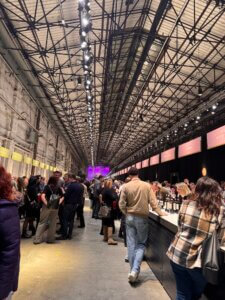
On February 18, I attended the fifth edition of L’Altra Toscana at Palazzo degli Affari in Florence, part of the broader preview week that opens the Tuscan tasting calendar.
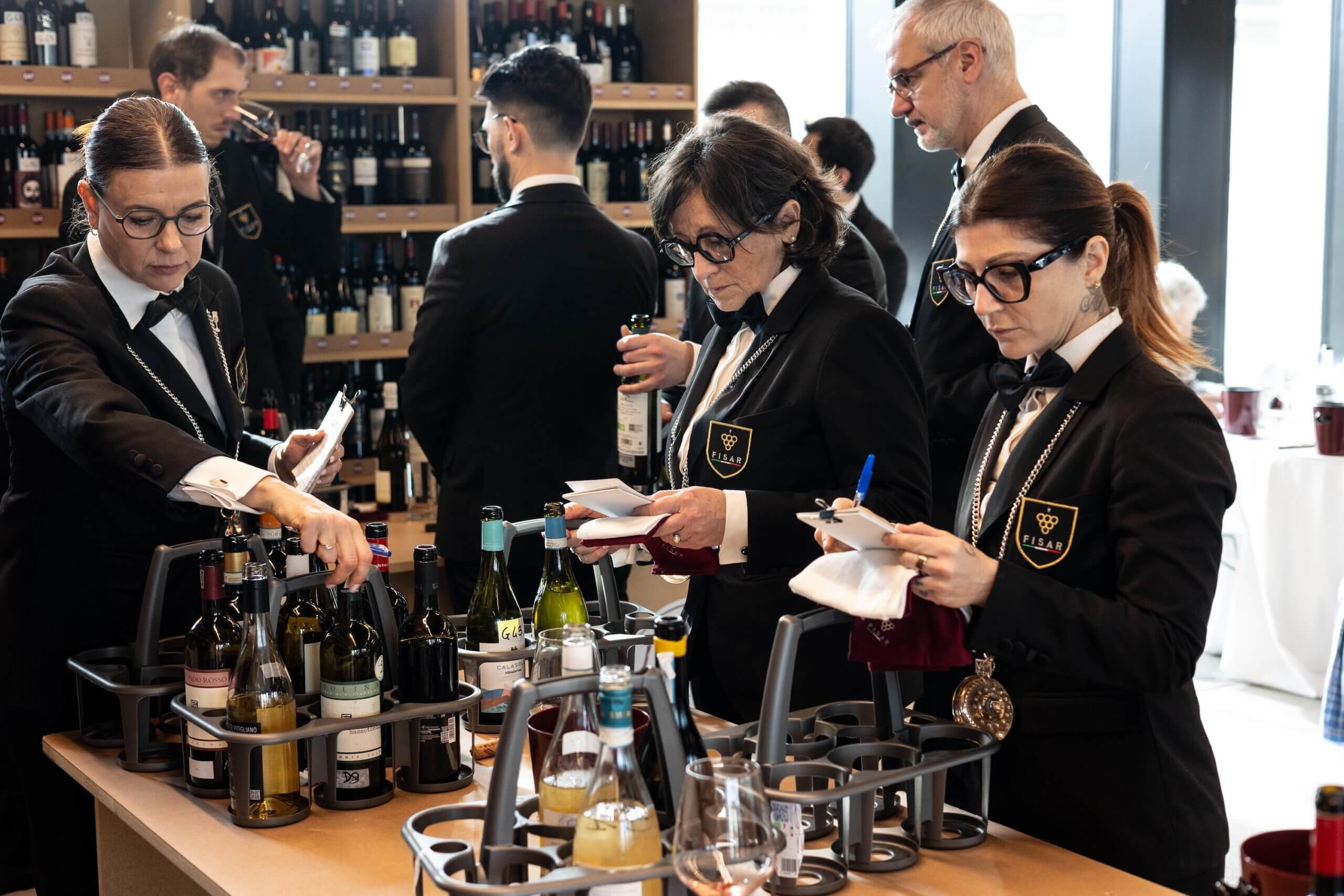
The format was simple and serious: a seated tasting, with the tasting book organized by appellation. Each journalist was free to choose wines in any order from twelve denominations presented by eight consortia.
Two hundred thirty-eight labels from 131 wineries were available to taste.
The event occupies a distinct place within Tuscany Preview Week, inaugurated by Regione Toscana and the Camera di Commercio di Firenze.
But unlike the headline appellations that dominate export conversations, L’Altra Toscana focuses on 11 PDOs and one PGI that together represent nearly 40% of Tuscany’s total wine production.
The tasting took place on the third floor of a modern-looking building. A large window offered a view of the garden and sliver of bright winter sun. Inside, however, the atmosphere was concentrated and almost monastic. One could hear pencils moving.
Wines were grouped by appellation, making it easy to taste within one denomination at a time or taste across appellations. While the format allowed any comparison—Sangiovese against Sangiovese from different territories, whites against reds, coastal versus inland—I chose to move region by region. That structure allowed me to focus on identity rather than contrast for its own sake.
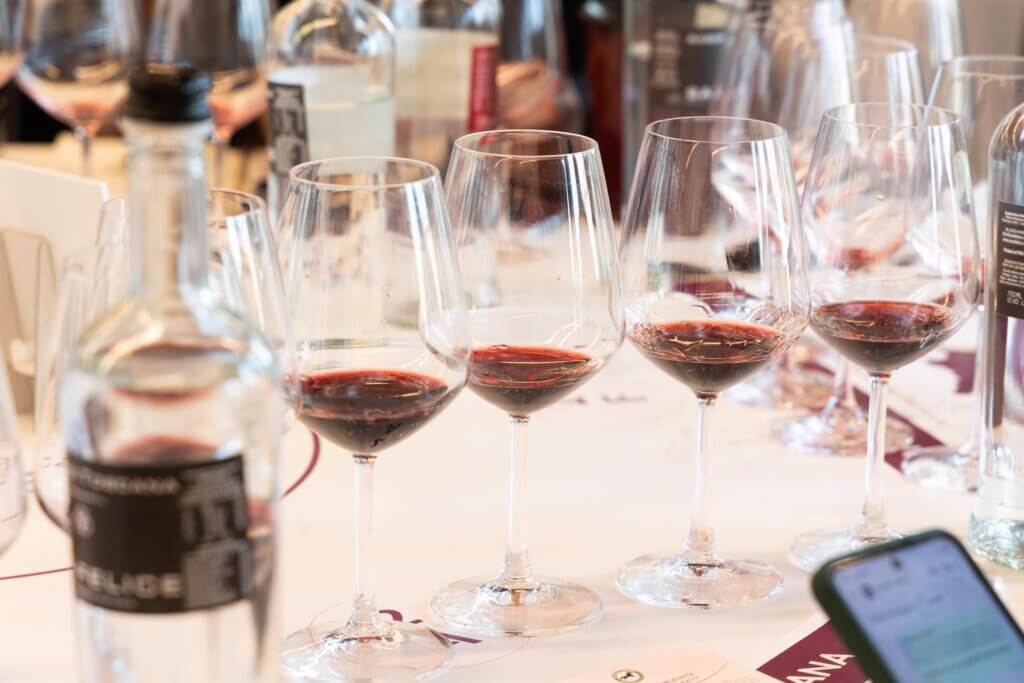
The featured denominations included:
· Bianco di Pitigliano DOC
· Sovana DOC
· Chianti Rufina
· Maremma Toscana
· Montecucco and Montecucco Sangiovese DOCG
· Orcia
· Suvereto
· Val di Cornia (Rosso and Superiore)
· Terre di Casole IGT
· Toscana IGT
For readers less familiar with Italian classification: PDO (Protected Designation of Origin) corresponds to Italy’s DOC and DOCG levels, indicating that the wine is produced according to strict geographic and production regulations. PGI (Protected Geographical Indication), in Italy labeled IGT, allows more flexibility in grape varieties and winemaking approach while still guaranteeing regional origin.
Both are expressions of controlled quality, but they serve different stylistic purposes.
The premise of L’Altra Toscana, articulated by Francesco Mazzei—President of the Consorzio Tutela Vini della Maremma Toscana and head of the L’Altra Toscana Association—is to spotlight what he calls “a different Tuscany of wine.”
The white wines—particularly from Bianco di Pitigliano and Sovana—served as a reminder that Tuscany is not exclusively red. Freshness, salinity, and clarity of fruit provided contrast to the predominantly Sangiovese-driven lineup.
Tuscany’s global image is often distilled to a few powerful denominations. Yet nearly half of the region’s production lies beyond those familiar names. Bringing these consortia together under one banner creates collective visibility while preserving individual identity.