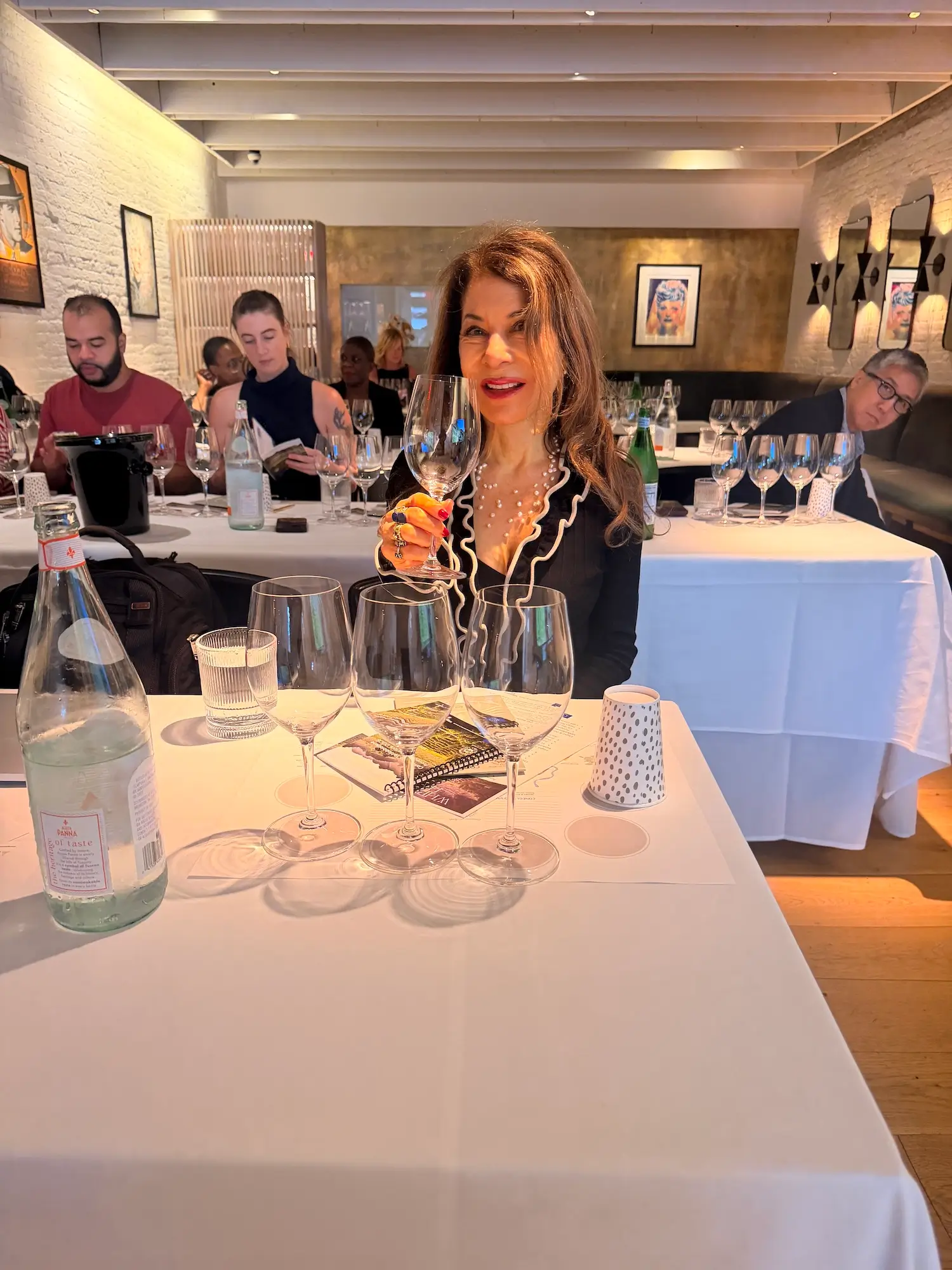
Conegliano Valdobbiadene Masterclass
Exciting presentation today of the wines of Conegliano Valdobbiadene.
Sommelier Taylor Parsons, a masterful speaker and sommelier with Marq Wine Group, titled the class “Pride and Prejudice.” The prejudice, he suggested, comes from the way “Prosecco” has come to mean a category of wine more readily than a particular place. For many wine lists, it occupies one slot: Prosecco. The name’s commercial reach can eclipse the landscape and producers behind it.
That was a useful starting point for a trade audience. Conegliano Valdobbiadene has long been described as a superior part of the Prosecco region. The presentation gave reasons why this could be the case.
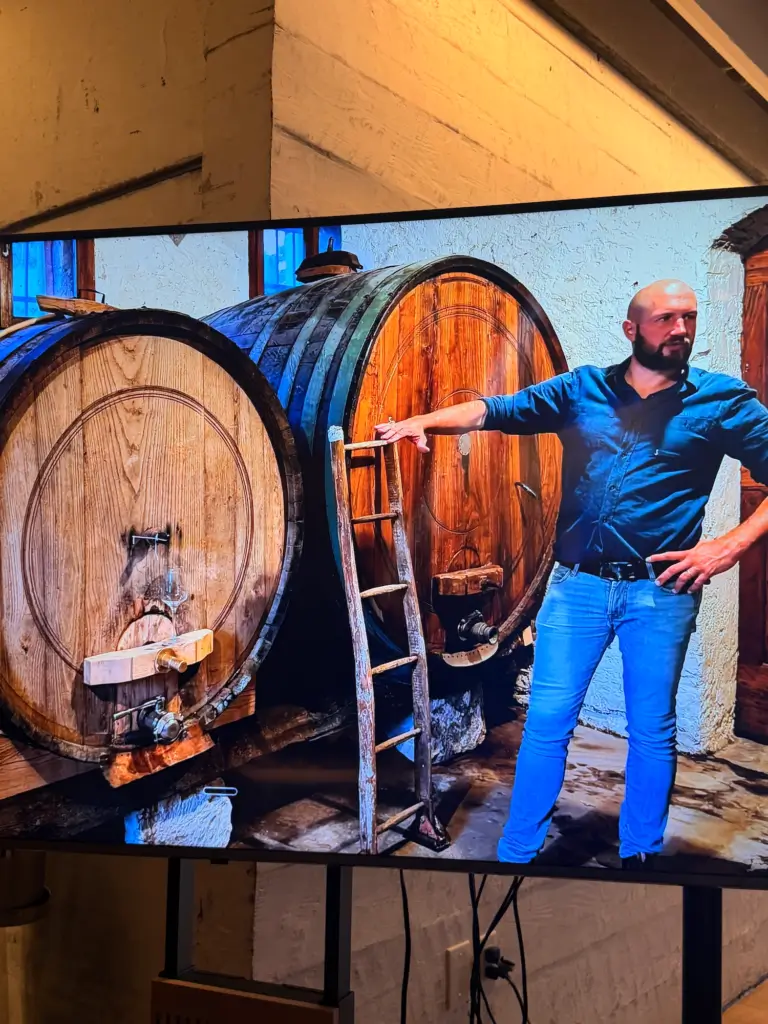
Diego Tomasi, director of the Consorzio di Tutela and a soil scientist, brought the region’s geography into focus. Conegliano Valdobbiadene Prosecco Superiore DOCG is a hilly area, distinct from the much broader, flatter Prosecco DOC. Here, vines climb steep slopes, and most grapes are hand harvested. The landscape is a patchwork of elevations, exposures and soils, rather than one continuous stretch of vineyard.
The denomination includes 15 communes and 43 Rive. A Rive is a named hillside area, shaped by local topography and growing conditions. It may bring together parcels farmed by different growers. The name on the bottle gives buyers a way to look beyond sweetness level and style, toward the place where the grapes were grown.
The Glera grape itself has particular needs. Its thin skin makes it vulnerable to disease, and it requires ample water. Tomasi noted that rainfall has become less predictable, arriving in heavier bursts after dry periods. That makes the differences between sites, and the work of the growers, all the more significant.
Cartizze is the region’s best-known small area. Roughly 100 hectares are divided among about 150 owners, and the vineyard land is among Italy’s most valuable. The name carries a long history and often brings to mind richer, sweeter wines. Yet the masterclass was not a parade of one style. Parsons organized the tasting into four flights, moving across sites and winemaking approaches.
The first flight focused on the southern curve, where lower, warmer vineyards and heavier, iron-rich clay soils tend to produce more generous wines. Gil Allori’s Le Tose was juicy, lively and pleasant. The winery is run by three women cousins and holds SQNPI sustainability certification. Conte Collalto’s Isabella felt lighter and more elegant. A 2019 wine from Tenuta degli Ultimi showed how age could bring a fuller body and more texture. Sommariva’s Rive di San Michele had a broader, more expressive feel.
The flight helped translate the landscape into something I could taste. The wines were not merely variations on a familiar sparkling style. They showed differences in weight, freshness and texture that made the map matter.
The central hills brought stonier, more linear expressions. Masottina’s RDO Ponente was fresh and lively, with enough structure to recall a substantial still wine. Bellenda’s Sei Uno, from 2022, stood out for its elegance and delicious nutty, autolytic notes. It was also a departure from the Charmat method most associated with Prosecco, and a reminder that producers are testing what the category can express.
La Vigna di Alice was smoky, energetic and vivid on the palate. I preferred it to L’Antica Quercia’s Matiu, which was a little frothy with refreshing acidity. Parsons noted that Matiu was the first wine in the flight fermented with native yeast during primary fermentation. The comparison showed how winemaking choices can shape a wine even among neighboring sites.
The third flight set “nervy” energy against opulence. A Cartizze Extra Brut made from old vines had striking acidity and an interesting history. Adami’s Col Credas, from the Rive di Farra di Soligo, was elegant. Parsons described it as central to the winery’s identity. From Guia, the highest and coolest Rive, came another contrast: a site once considered difficult to ripen, now valued for freshness as the climate warms. Bortolomiol’s G.C. Dal Fondatore finished the flight with appealing freshness.
The final group widened the picture further. Mongarda’s Extra Brut Metodo Classico and Ca’ dei Zago’s Metodo Classico showed producers working beyond the expected mold. Parsons spoke especially warmly about Christian Zanette of Ca’ dei Zago, whose close attention to the vineyard includes reading what plants such as dandelions reveal about the soil. The winery’s concrete eggs and careful work in the vineyard reflect an unusually hands-on approach.
Malta Ribelle’s Brut Nature Sui Lieviti offered another interpretation. Casa Coste Piane’s Frizzante, made from vines about 120 years old, had gentler bubbles and a complicated fermentation behind it. That wine made clear how wide the range can be, even within a tasting focused on one denomination.
The masterclass really proved the exciting diversity and high quality of the region.