Cambrils: Tradition Meets Tourism
Can a popular Mediterranean resort attract more tourists without losing the traditions that made it special in the first place?
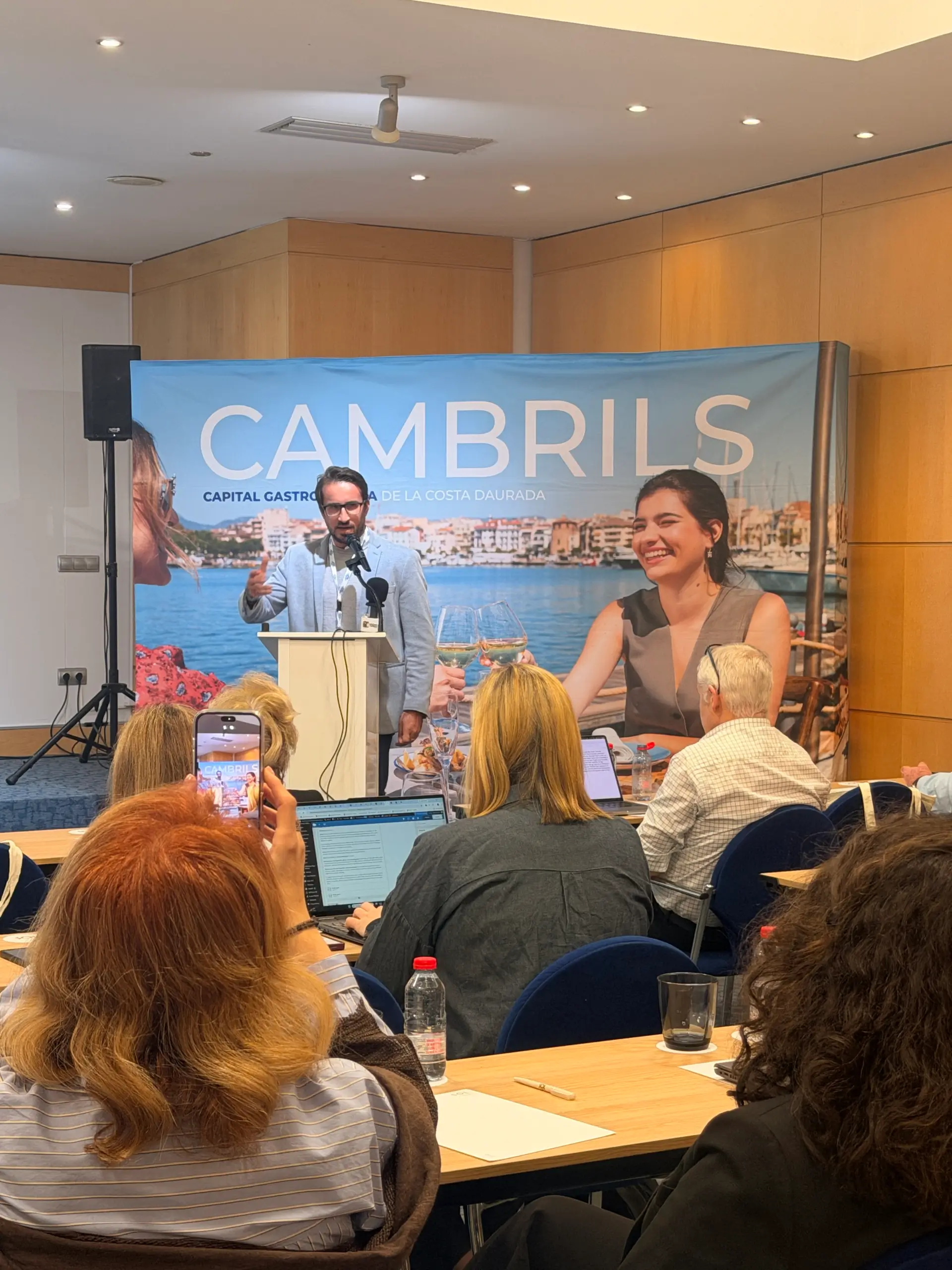
That was one of the questions raised by Vadim Koryagin, Director of the Municipal Tourism Board of Cambrils. He spoke during the International Food Tourism Conference (IFOODTC) held in Cambrils, Spain, in November 2026.
Koryagin explained that Cambrils, on Catalonia’s Costa Daurada, has long depended on fishing, agriculture and tourism. Today, the town wants to expand its reputation as a gastronomic destination while preserving its rich cultural identity.
In short, the challenge is how to introduce visitors to centuries-old traditions without turning them into artificial tourist attractions.
During the conference, I discovered some intriguing answers.
A Catalan Tradition
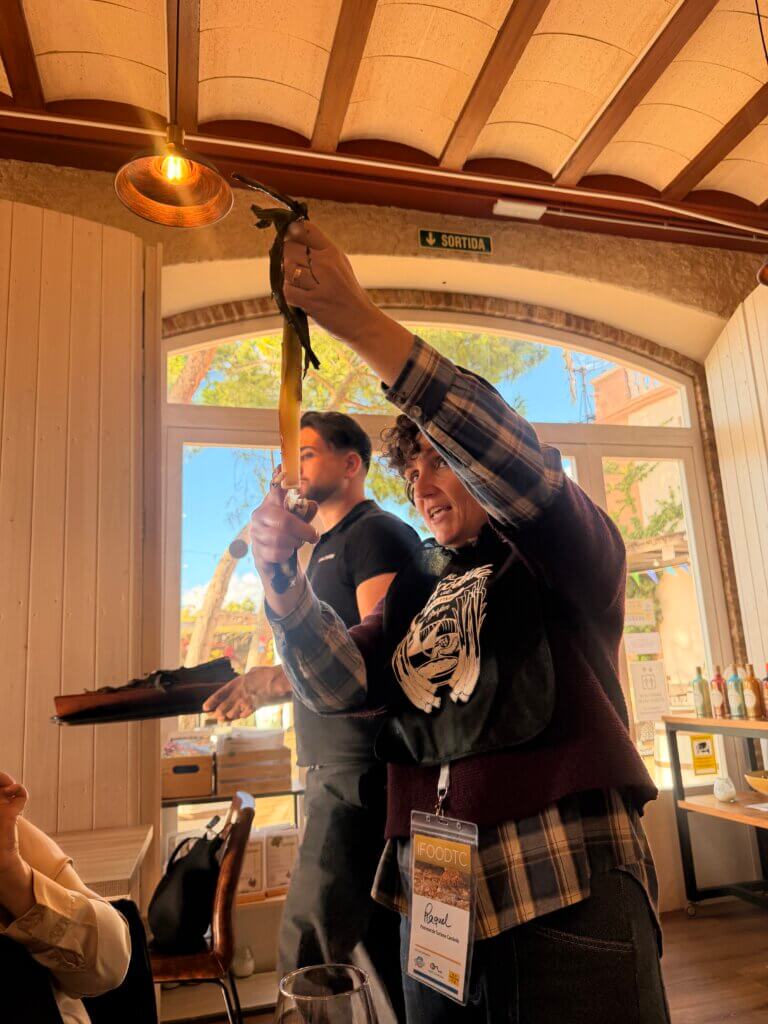
One afternoon, our group attended a traditional calçotada, a Catalan gathering centered around grilled calçots, a type of spring onion or leek.
Eating them is practically a ceremony.
The long onions are grilled until their outer layers are blackened. Diners peel away the charred skin, dip the tender white portion into sauce, and eat them by hand.
It’s messy, entertaining and unlike any luncheon I had experienced.
The event was certainly organized to introduce visitors to a local tradition. But something at the next table caught my attention.
About a dozen men, apparently longtime friends, had gathered to enjoy the same experience.
They weren’t there to entertain tourists. They had come to celebrate their friendship over a traditional meal.
It was a reminder that culinary traditions don’t have to be confined to family kitchens. They can remain part of contemporary social life.
Fishing Goes Upscale
Another experience illustrated how traditional businesses can evolve.
I was scheduled for a bluefin tuna excursion with Balfegó, a Catalan company whose fishing heritage stretches back five generations.
Frankly, I wasn’t looking forward to it.
I imagined being squeezed into a small fishing boat, exposed to wind and rain, with raw fish everywhere.
Instead, I stepped aboard a luxurious yacht equipped with sophisticated speakers, a private bar and comfortable seating.
What a surprise!
Over the course of more than a century, the family’s tuna business had developed from traditional fishing into a sophisticated enterprise specializing in premium Mediterranean bluefin tuna.
Its products are now supplied to fine-dining restaurants and international markets.
As I listened, I imagined the family’s earliest generations setting out in simple fishing boats. It’s possible they never dreamed that their descendants might one day welcome international visitors aboard a luxury yacht.
The experience included freshly prepared tuna dishes and wine that had been matured underwater.
Here was a family fishing tradition that had not disappeared. It had developed into something quite remarkable.
A Harbor Celebration
Later that evening, we gathered at Cambrils’ fishing harbor for another introduction to local traditions.
I had expected something resembling an open-air food market with various stalls. Instead, we arrived at a modern dock lined with fishing boats.
A small band performed beneath warm spotlights, filling the harbor with music as guests enjoyed the pleasant Mediterranean evening.
Nearby, cooks were preparing fideuà rossejada, a traditional fishermen’s dish made with short noodles and seafood.
The cooking pan was enormous, approximately four to five feet across. Preparing its contents required utensils that looked more like shovels than kitchen spoons.
We had been told that fishermen traditionally took considerable pride in their ability to prepare this dish.
The evening concluded with another dramatic production: ron cremat, a traditional rum-based drink prepared over flames, with coffee and other flavorings.
Nobody was allowed a taste until the preparation was finished.
It was dinner, music and a little theater, all presented beside the fishing boats that remain part of Cambrils’ identity.
Preserving the Future
Koryagin had also raised a serious concern during his presentation.
Younger generations aren’t necessarily eager to enter fishing or agriculture. The work is demanding, and tourism development can gradually replace traditional businesses with more generic attractions.
His objective is to strengthen the connections between local producers, restaurants and tourism businesses while creating reasons for travelers to visit beyond the summer beach season.
After experiencing Cambrils firsthand, I could appreciate the possibilities.
A traditional spring onion lunch can bring old friends together. A fishing family can become an international luxury seafood business. And a working harbor can become the setting for an unforgettable culinary evening.
Cambrils is demonstrating that preserving tradition doesn’t necessarily mean keeping everything unchanged.
Sometimes the most successful way to celebrate the past is to find an exciting new way to share it.