San Salvatore
San Salvatore 1988 Brings the Spirit of Cilento to Manhattan
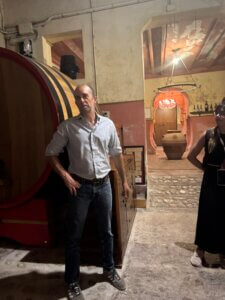
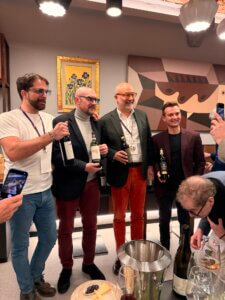
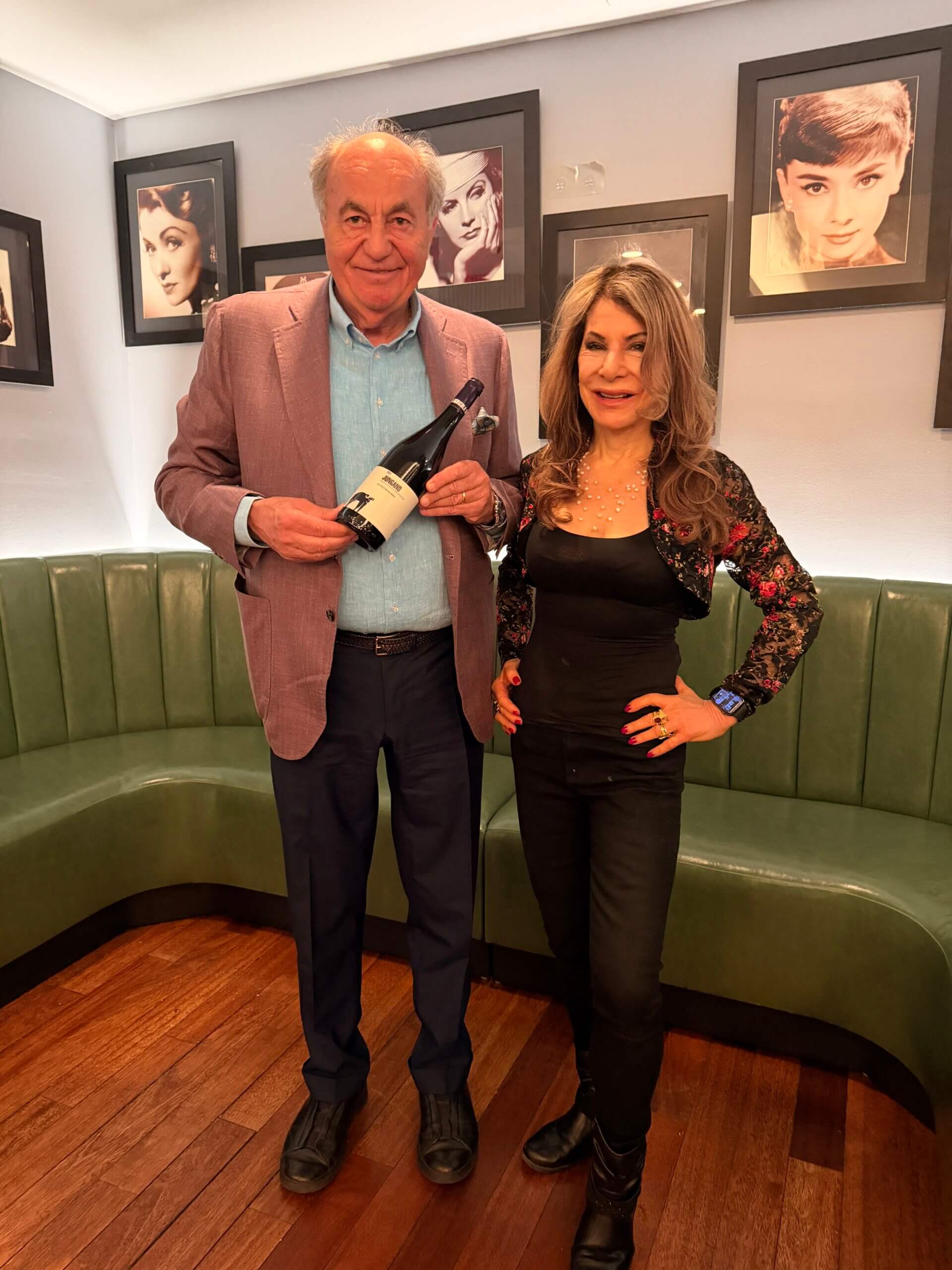
It was a pleasure to Giuseppe Pagano, owner of San Salvatore 1988 winery, at the elegant Audace Ristorante on Manhattan’s Park Avenue South.
Dressed in the style of a successful Italian hotelier in a tailored jacket and open-collar shirt, he gave me and other wine journalists an introduction to his winery.
San Salvatore 1988 is his organically farmed estate in the Cilento region of Campania near Paestum and the Amalfi Coast.
In his presentation, Signore Pagano explained it was ‘easy’ for the grapes to be farmed in a sustainable fashion because the vineyard was near the sea and there was a lot of wind that kept mildew at bay.
Signore Pagano’s words moved easily between Italian and English. Yet the language almost seemed secondary to the emotion behind them.
Pagano founded San Salvatore in 2006 after a successful career in hospitality. The winery is named for his firstborn son, Salvatore, born in 1988.
Despite his background operating luxury hotels including the Hotel Savoy and Hotel Esplanade, Pagano spoke less like a businessman and more like a custodian of the land.
Through the course of his presentation, Signore Pagano spoke of his dedication to sustainability and respect for nature.
Located in the Cilento National Park, San Salvatore benefits from a remarkably favorable environment for viticulture.
Strong coastal winds, abundant sunshine, and the influence of the nearby sea create healthy vineyard conditions that reduce the need for chemical intervention.
The wine estate farms organically across vineyards, olive groves, fruit orchards, and land supporting hundreds of water buffalo used for mozzarella and dairy production.
Sustainability at San Salvatore goes well beyond buzzwords. Pagano described the estate’s biodigesters, which convert buffalo manure into green energy used to help power the property.
The operation also includes olive production, yogurt, and mozzarella made from the estate’s own buffalo milk.
The wines themselves, however, delivered the strongest positive argument for the estate’s philosophy.
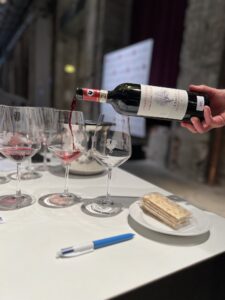
The lunch opened with the Vetere 2024 IGP Campania Rosato, a rosé made entirely from Aglianico, Campania’s famously structured red grape.
Normally associated with deeply tannic, ageworthy reds, Aglianico is not the first variety many drinkers would associate with rosé. Yet the wine’s brief maceration, only about twenty minutes on the skins, transformed the grape into something unexpectedly refined.
Fresh, vibrant, and substantial enough to stand up to food, the Vetere was one of the afternoon’s biggest surprises.
Rather than producing a lightweight summer rosé, San Salvatore created a wine with texture, personality, and underlying structure. All while avoiding the aggressive tannins normally associated with the grape.
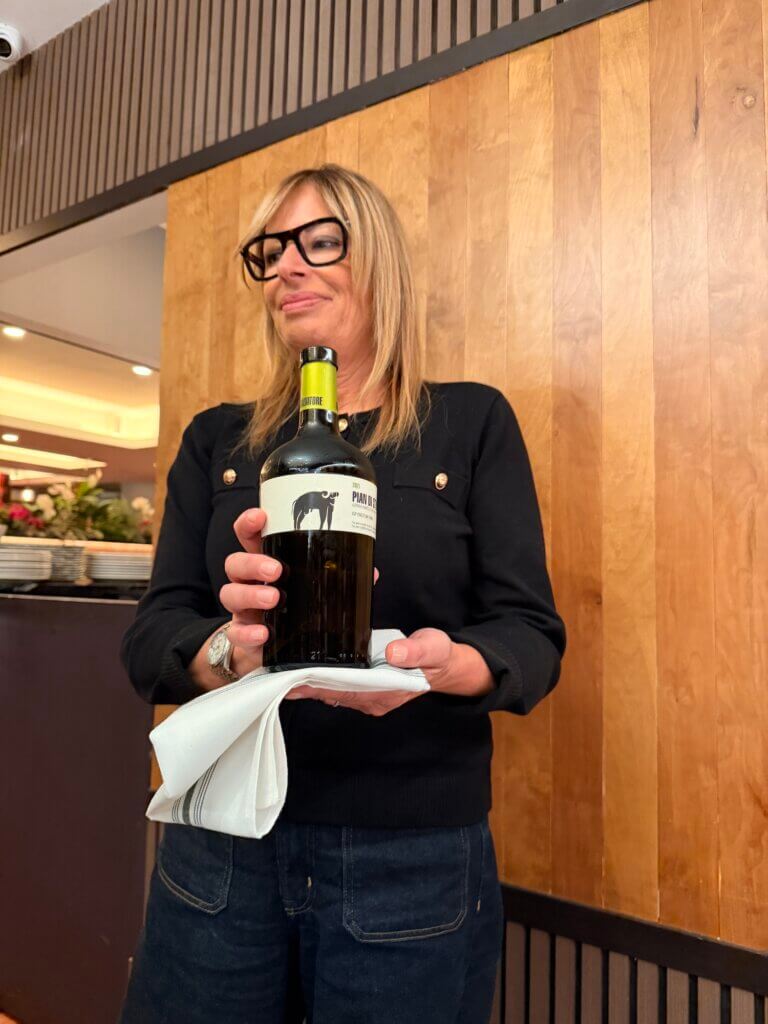
Next came the Falanghina 2023 IGP Campania Falanghina, followed by the standout white of the afternoon, the Pian di Stio 2021 IGP Paestum Fiano.
Pagano spoke about the Pian di Stio vineyard almost as if discussing a living companion.
It is a place, he explained, where he goes to think and reflect. The emotional attachment was unmistakable.
The wine itself carried remarkable freshness for a 2021 vintage, combining energy, longevity, and depth. Pagano noted that when the grapes from this vineyard are pressed, the juice retains a striking green hue — a sign, in his view, of vitality and aging potential unique to that site.
In a region famous for ancient Greek and Roman winemaking history, the wine felt like a bridge between Campania’s past and future.
The reds that followed demonstrated another side of San Salvatore’s identity.
The Jungano 2021 IGP Paestum Aglianico showed the grape’s youthful structure and energy, but it was the Omaggio a Gillo Dorfles bottlings that fully captured the table’s attention.
Named after the famed Italian critic and intellectual Gillo Dorfles, the wines are San Salvatore’s flagship expression of Aglianico.
The 2017 vintage, in particular, stood out for its harmony and polish. Aglianico often demands patience, and the additional year of bottle age appeared to have integrated the tannins beautifully.
The wine showed balanced acidity, smooth texture, and impressive length without losing the grape’s essential character. Aged in French oak, it delivered both power and restraint.
Throughout the afternoon, one theme remained constant: Pagano’s belief that true richness comes not from money, but from land.
That philosophy seemed embedded in every aspect of San Salvatore 1988 — from the organic vineyards and renewable energy systems to the emotional connection between the owner and the landscape itself.
In an era when sustainability is often treated as marketing language, San Salvatore presented a deeply personal vision of stewardship expressed through wine.